22
Jul
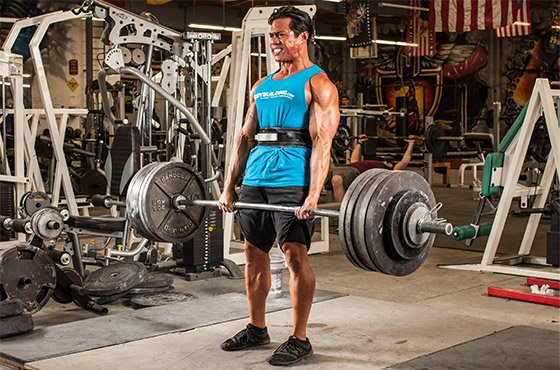
For deadlifts wearing a belt increases IAP by about 15 and for squats it increases IAP by about 3040 more than lifting heavy weights beltless. This is a popular myth I have experimented on and off with for about 10 years.
Does wearing a weightlifting belt make your waist smaller. In short using a weight lifting belt while training will not decrease waist size. This is a popular myth I have experimented on and off with for about 10 years. In this article Ill do a deep dive on when its appropriate to use a weight belt and when youre better off letting that belly hang out.
To keep the waist small you dont train those muscles. The weight belt helps prevent you from using them as much during squats deadlifts and other exercises that arent designed to work the core directly. However if you are working obliques directly your waist will grow and wearing a belt while doing this is counter productive.
Does wearing a weightlifting belt make your waist smaller. In short using a weight lifting belt while training will not decrease waist size. Can you wear a weight belt while pregnant.
In short using a weight lifting belt while training will not decrease waist size. How much does belt increase deadlift. For deadlifts wearing a belt increases IAP by about 15 and for squats it increases IAP by about 3040 more than lifting heavy weights beltless.
Does wearing a weightlifting belt make your waist smaller. In short using a weight lifting belt while training will not decrease waist size. What does wearing a weightlifting belt do.
If you want to use a lifting belt for the sole purpose of keeping your waist small dont expect much your nutrition largely determines this. Pros of Using a Weightlifting Belt. There are several solid reasons to use a lifting belt.
A belt boosts your performance by. According to some research wearing a belt will help increase all the above at least for lower body exercises like the squat. If you comb through the scientific journals for weightlifting belt studies youll have a hard time finding studies on the effects of.
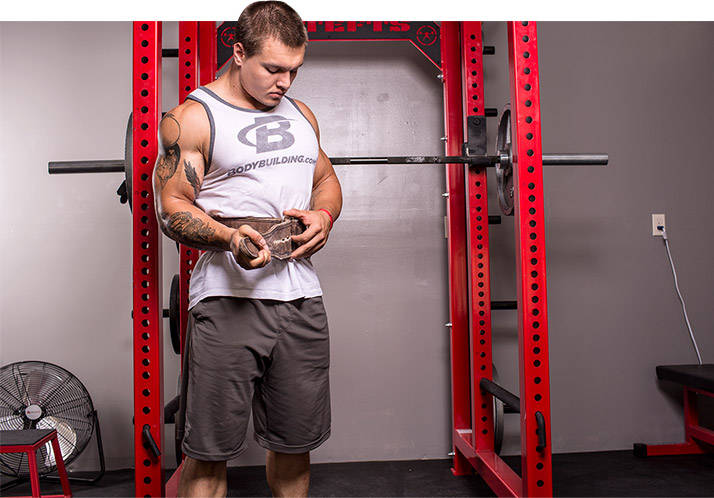
Step 1 Place the Belt Around Your Waist. Ideally the weightlifting belt should sit just above your hip bone so that it can have full contact across the back sides and front of the torso. The single prong leather belt is a great entry into heavy weightlifting while the double prong will be far more secure and even on your waist.
Lever belts on the other hand are extremely great for powerlifting and keeping a strong latch and tightness during your lifts. Waist-trimmer belts work the same way wrapping around and compressing your stomach temporarily redistributing your skin so you look thinner. According to the Mayo Clinic wearing a girdle-like contraption may improve your appearance and posture but it.
However if the exercise really doesnt stress the lower backcore that much leg presses triceps pushdowns etc. Wearing a belt is unnecessary apart from making your waist look smaller and your shoulders look bigger. Over-reliance on lifting belts might also weaken the core musculature.
Except all a belt does is help you utilize your core better by increasing intra-abdominal pressureand only with a proper belt. Those narrow belts in the front with huge back pad do jack shit and are literally retarded. Unless youre in power lifting competition bench press a belt only helps in any way that makes sense on squats and deadlifts.
Weightlifting belts should wrap around the waist tight enough to provide support but not so tight as to constrict breathing or circulation. The lifting belt should be worn over training pants a T-shirt or other clothing. The proper method to wear a lifting belt is as follows.
Wrap the belt around your waist. It might be tempting to cinch yourself into a waist sweat belt that promises to slim fat away from your midsection. Unfortunately weight loss doesnt work that way.
But you can lose excess body fat from your waist and everywhere else by making certain lifestyle changes. You can call it a Broscience but it has been believed by many bodybuilders. There are a number of reasons why wearing a belt could keep the waist small.
Your core plays a crucial role while heavy compound movements wearing lifting belt is believed to reduces the stress from the mid-section which assist in maintaining a non-bulky midsection. This includes your warm-up sets which I personally prefer to do without a weight belt. How To Wear A Weightlifting Belt.
There are 2 main considerations when it comes to wearing a weight belt. How tight to wear the belt and where on your waist to position it. How to Measure your waist for your weightlifting belt.
Use a pliable or seamstress tape is preferred. Measure around your waist about 4 inches above where your pants are. Do not suck in measure in a relaxed state then pull the measuring tape tight.
Use this measurement to choose your correct belt size. Take that measurement and use the size guide on the belt you are interested in ordering. The weightlifting belt tightens the waist and abdomen of the user to generate external pressure External Pressure hoping to increase the density and.
You should wear weightlifting belts around your waist. This might sound like a redundant statement but beginners might think it needs to be lower like an actual belt. Best is to place it over the.
Does wearing a belt help keep your waist small. When you put on a waist belt it has the immediate effect of flattening your tummy and compressing your midsection. Instantly it makes you look slimmer and will help you stand with taller posture.
Wearing a weightlifting belt makes you feel more comfortable and improves the performance. Wrap your belt around your waist but make sure it is placed above your belly button. This is because the belt must rest above the muscles of the abdominal wall.
Take out your belt even if you have to carry out smaller exercises later. Knowing that weightlifting belts provide a cue to your torso muscles to tighten when lifting heavy will provide guidance into the kind you should wear. If you go to most fitness stores the only weightlifting belts youll typically see have a large padded strap that covers the small of your back and skinny leather straps for the front.
Previous post
Does wearing a workout belt help lose weight