
01
Jun
Leather takes time. This might sound like a redundant statement but beginners might think it needs to be lower like an actual belt.
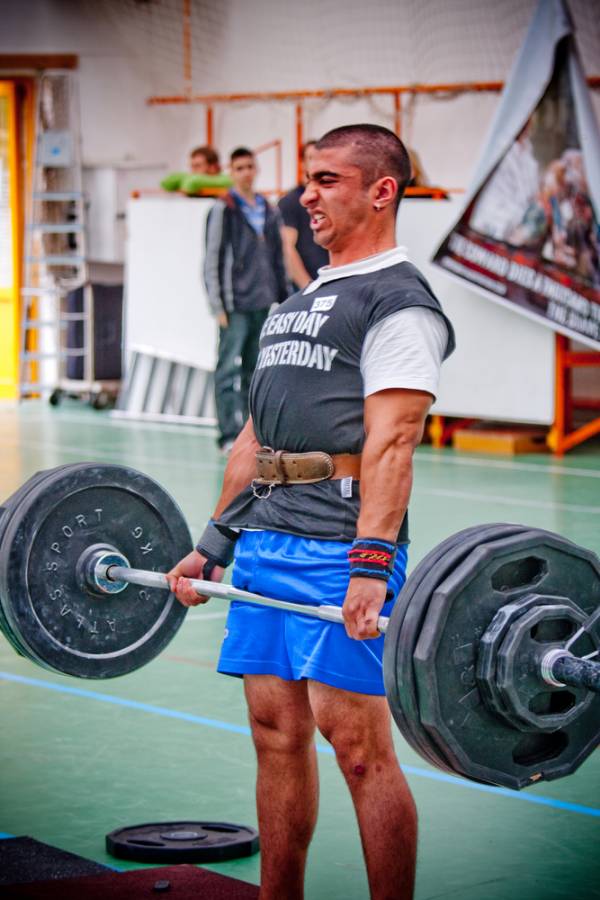
Does a weightlifting belt make your waist smaller. In short using a weight lifting belt while training will not decrease waist size. This is a popular myth I have experimented on and off with for about 10 years. In this article Ill do a deep dive on when its appropriate to use a weight belt and when youre better off letting that belly hang out.
Its old school people who believe that keeping your weightlifting belt keeps your waist small not shrink it. Idk if this holds truth or not but I saw that Ronnie Coleman video too and you cant really argue against that. Can a Weightlifting Belt Help Keep Your Waist Small.
Some sources suggest that wearing a belt for the entirety of your workouts will help keep your waist small. So how true is this. To give an accurate answer here we first need to understand what makes the waist expand in the first place.
Leather takes time. Keep in mind that if you opt for a leather weightlifting belt youll have to break it in. You may experience some chafing and bruising during this time.
Does a weightlifting belt make your waist smaller. In short using a weight lifting belt while training will not decrease waist size. How much does belt increase deadlift.
Increases performance Nothing makes a heavy lift feel quite like having an extra 20-30 pounds strapped around your waist. Belts allow a lifter to produce more force by providing support for the abs and lower back. They can also help a lifter maintain better form due to the increased pressure around their midsection which is particularly.
Will a belt help you lift more weight protect your back or could it even make your waist smaller. Lifting belts can actually help you increase the use of the abs and lower-back muscles. Research has shown that wearing a belt while lifting either has little effect on the use of the erector spinae muscles or actually increases their use by up to 25 percent.
Studies on weightlifting belts also show a solid increase in the muscle activity of the rectus abdominis. However if the exercise really doesnt stress the lower backcore that much leg presses triceps pushdowns etc. Wearing a belt is unnecessary apart from making your waist look smaller and your shoulders look bigger.
Over-reliance on lifting belts might also weaken the core musculature. But while some research notes the benefit of weightlifting belts others have suggested that the use of a belt does seem to reduce the range of motion. Steve Cook often says that lifting with a belt keeps his waist tiny.
Anybody know of research backing this up. How credible is this claim. How the weightlifting belt works.
The weightlifting belt tightens the waist and abdomen of the user to generate external pressure External Pressure hoping to increase the density and firmness of the core muscles through compression. Does a weightlifting belt make your waist smaller. The quick answer to this is no a weightlifting belt does not make your waist smaller and has no permanent effect on your waist size.
Is it safe to deadlift without a belt. Yes definitely but the right posture and technique are critical to avoid any form of injury. How to Measure your waist for your weightlifting belt.
Use a pliable or seamstress tape is preferred. Measure around your waist about 4 inches above where your pants are. Do not suck in measure in a relaxed state then pull the measuring tape tight.
Use this measurement to choose your correct belt size. Take that measurement and use the size guide on the belt you are interested in ordering. Basically weightlifting belts are thick belts often made out of leather that can be used to assist with certain core-intensive exercises like squats and deadlifts.
There are many reasons for wearing a weightlifting belt but obviously the biggest drive for its advocates is that it. In short using a weight lifting belt while training will not decrease waist size. What does wearing a weightlifting belt do.
A weightlifting belt has two main purposes. You should wear weightlifting belts around your waist. This might sound like a redundant statement but beginners might think it needs to be lower like an actual belt.
Best is to place it over the. In short using a weight lifting belt while training will not decrease waist size. What happens when you wear a tight belt.
A tight belt or waistband is like a tourniquet around your gut disrupting the flow of your digestive system. And remember youre wearing the belt around your belly not your waist so use the circumference around your belly not your waist. Does a weightlifting belt weaken your core.
On the contrary a weightlifting belt will allow you to lift heavier and build overall strength including in your core. Weightlifting belts should wrap around the waist tight enough to provide support but not so tight as to constrict breathing or circulation. The lifting belt should be worn over training pants a T-shirt or other clothing.
The proper method to wear a lifting belt is as follows. Wrap the belt around your waist. So refrain from a using a belt when youre lifting lighter to moderate weight under 80 of your one-rep max.
Different Belt Materials The different kinds of weightlifting belts all have a purpose depending on several factors like training goals body type desired comfort and budget of course. Follow these steps to wear your weightlifting belt the right way and get the most out of it. Position the belt around your waist.
The bottom edge should sit above your hip bones to avoid creating air pockets and so the belt makes contact with your abs obliques and back muscles. Take a small breath dont fully inhale and tighten the belt. Size of Weightlifting Belt.
Sizing is the most important part of buying a weightlifting belt. The wrong size of the belt is just as bad as not having one. So take notes and read the steps below.
You will require a measuring tape for this. Step 1 Measure your Waist. You need to measure your waist but not like you measure the waist for a pair.
Previous post
Does belly band help lose weight