
17
Dec
Simply put once you have enough weight on the bar youre going to need a belt to move it safely. More on that later.
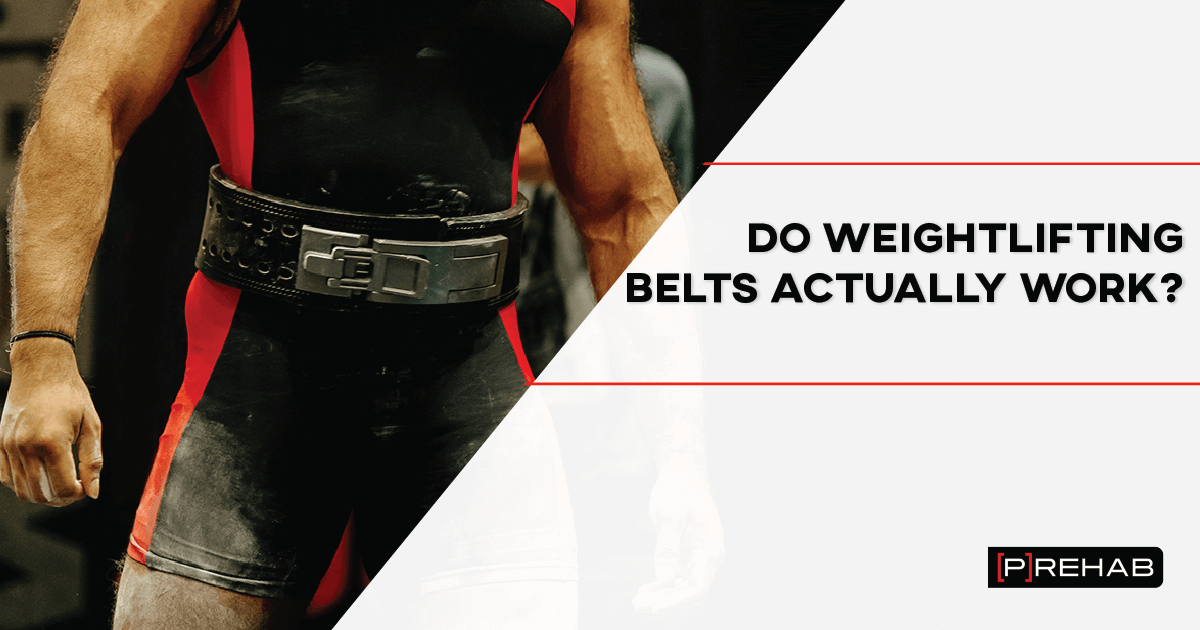
Do weightlifting belts really help. Ad Shop Muscle Strength for huge discounts on our most popular lifting belts. For one weightlifting belts can increase intra-abdominal pressure to help stabilize your spine when youre lifting heavy loads Gambino says. Deadlifts and squats are.
Lifting belts can actually help you increase the use of the abs and lower-back muscles. Research has shown that wearing a belt while lifting either has little effect on the use of the erector spinae muscles or actually increases their use by up to 25 percent. Studies on weightlifting belts also show a solid increase in the muscle activity of the rectus abdominis.
Safety Note on Weightlifting Belts and Exercise. One other safety consideration here as mentioned above wearing a belt is known to increase intraabdominal pressure. This can be of great benefit to a person as they are lifting an object as it can help to decrease shear forces on the spine.
Simply put once you have enough weight on the bar youre going to need a belt to move it safely. Here are a few other reasons why lifting belts are a great idea. When youre under a heavy load a lifting belt can help you prevent serious injuries specifically - orthopedic ones.
There can be a lot of little points or cues to remember especially for multi-joint compound exercises. I find that wearing a weight lifting belt can help with this when doing squats or deadlifts since the tactile feedback from the belt will remind you to really press out with your abs when preparing to do each rep. Lifting belts can help performance on big lifts involving the lower back.
If a lifter is squatting heavy or pulling big a belt may be able to increase performance on those lifts. However if the exercise really doesnt stress the lower backcore that much leg presses triceps pushdowns etc. Wearing a belt is unnecessary apart from making your waist look smaller and your shoulders look.
Youd look stupid wearing a weightlifting belt while on the treadmill. Wearing a weightlifting belt helps you brace your abs which supports your core and spine. They also help you do the Valsalva maneuver which helps you lift more weight.
More on that later. The popularity of belts has also decreased recently. For most people wearing a weightlifting belt does little to improve performance or protect the spine especially during exercises that dont stress the back or place only minimal stress on the back.
You might consider wearing a weightlifting belt if youre doing powerlifting or dead lifts. A weightlifting belt can be a reminder to keep your spine. These are the muscles we want to think about when lifting weights and wearing a belt.
Using a belt properly will help reinforce this bracing pattern and work with your core. Since a belt fits tightly between your rib cage and hips it is an external addition to your core. Below is a video that demonstrates how to use a weightlifting belt properly.
This is because a weightlifting belt achieves its maximal effect when the maneuver is correctly performed and the lifter has reasonable control over their abdominal musculature. While its not uncommon to come across a to belt or not to belt. Debate in the world of lifting the general consensus is that a belt when used appropriately and properly can help to ensure better safety and performance for.
The truth is that weightlifting belts actually are not necessary for weight training exercises in which the spinal erectors do not work against heavy resistance. The use of a belt does not affect your performance on exercises such as the lateral pull down and leg extension. Belts also have no effect on performance weight loads that are fairly light.
Weightlifting belts offer us stability and help protect our bodies from injury when we are heavy weight lifting Moore tells Stylist. This is because wearing a belt can help maximize your performance and lift more weight. So should you wear a belt.
If your goal is to maximize the amount of weight that you can lift then yes you should wear a belt. However the belt is to help reinforce your core and is. The 10mm thickness on this belt makes for a really solid structure.
Learn to use your belt properly it can help or hinder. Do I have to wear a lifting belt for heavy weights. If youre a beginner weightlifting belts might look like an unnecessary fashion accessory for big blokes in the gym but as a matter of fact they can actually help you lift heavier weights.
For instance powerlifters obsessively use specialized weightlifting belts while CrossFitters are proud they never do. Bodybuilders are split with some believing belts essential for both safety and performance reasons and others believing them to actually INCREASE your risk of injury over time. Olympic lifters dont really care either way.
In reality a weightlifting belt primarily supports your abs and is not intended to directly support your back. It sounds backwards but heres why. The belt acts like a second set of abs to.
Workers wearing back belts may attempt to lift more weight than they would have without a belt. A false sense of security may subject workers to greater risk of injury. Workers and employers should redesign the work environment and work tasks to reduce lifting hazards rather than rely solely on back belts to prevent injury In other words institute a comprehensive ergonomics and MSD.
The belt is there to prevent injury and strain when youre lifting very heavyweights and youre putting extra stress on your lower back. So you should only really wear a weightlifting belt when youre going to be placing weight on your spine. As a general rule you should only ever need to use the weightlifting belt when performing.
Ad Shop Muscle Strength for huge discounts on our most popular lifting belts.
Previous post
Do weightlifting belts workNext post
Do weightlifting belts actually work