27
Aug
In my opinion a weight belt is only necessary during near the max attempts on compound lifts definitely not when youre on a bicycle. You might consider wearing a weightlifting belt if youre doing powerlifting or dead lifts.
Do weight training belts work. Ad Shop Muscle Strength for huge discounts on our most popular lifting belts. Basically weightlifting belts are thick belts often made out of leather that can be used to assist with certain core-intensive exercises like squats and deadlifts. There are many reasons for wearing a weightlifting belt but obviously the biggest drive for its advocates is that it allows them to lift more weight.
Belts Stabilize And Reduce Stress On The Spine. Some studies confirmed that wearing a belt during weightlifting increased intra-abdominal pressure by up to 40 percent while one study reported that compression of the intervertebral discs was reduced by 50 percent. In this excellent analysis of weightlifting belts Greg Nuckols writes that well-trained belt users can generally move 5-15 more weight for the same sets and reps and are able to squeeze in an.
These are the muscles we want to think about when lifting weights and wearing a belt. Using a belt properly will help reinforce this bracing pattern and work with your core. Since a belt fits tightly between your rib cage and hips it is an external addition to your core.
Below is a video that demonstrates how to use a weightlifting belt properly. Answer From Edward R. For most people wearing a weightlifting belt does little to improve performance or protect the spine especially during exercises that dont stress the back or place only minimal stress on the back.
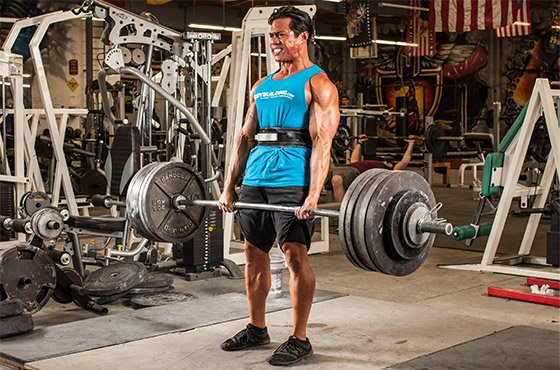
You might consider wearing a weightlifting belt if youre doing powerlifting or dead lifts. How Weight Training Belts Work. A training belt works in two ways.
First it reduces stress on the lower back while lifting in an upright position. The belt compresses the contents of the abdominal cavity thus increasing the intra-abdominal pressure or IAP. Second a belt will definitely aid in lifting performance.
In my opinion a weight belt is only necessary during near the max attempts on compound lifts definitely not when youre on a bicycle. You shouldnt wear a belt with loads that you can easily supportbelow 90 of your one rep max on big barbell lifts. A weightlifting belt causes an increase in the intra-abdominal pressure.
A weight lifting belt is good to use because it leads to an increase in the intra-abdominal pressure created inside the abdomen. This makes it easier for the lifter to carry out. Performance of exercises such as the squat and deadlift while wearing the weight belt resulted in greater peak and average intra-abdominal pressure3 4 and other studies found that lifting belt.
Most ab-stimulator belts function through electrical muscle stimulation EMS a common treatment in many physical therapy practices according to the American Council on Exercise. With an EMS device youre able to stimulate certain muscles by sending an electrical pulse to the area. A weightlifting belt is not a band-aid for poor bracing mechanics and breathing patterns.
It is a performance enhancer for those who already know how to brace themselves and breathe under. A common misconception about the weight belt is that is supports your spine during normal moderate weight training. However the weight belt is too narrow and rigid to provide proper spinal support in this case.
If you have a previous injury or feel you need spinal support talk to your doctor about an appropriate back brace for training. Waist-trimmer belts work the same way wrapping around and compressing your stomach temporarily redistributing your skin so you look thinner. According to the Mayo Clinic wearing a girdle-like.
Wearing a weight belt also increases intra-abdominal pressure during training. This may help improve your squat and deadlift by allowing the hip extensors to contract more forcefully. Weightlifting belts may also help activate the spinal erectors to a greater extent than normal.
If youre hitting machine weights all workout long you do NOT need a weight lifting belt. Even athletes training bodyweight movements or dumbbell conditioning wont find much benefit with a belt. Belts should only be needed when moving large amounts of weight on a barbell.
Squat deadlift push press etc. A weightlifting belt does not weaken your core. Wearing a belt can increase spinal stability and stiffness by supporting your natural core musculature.
During training though you should incorporate phases where you train without a belt to ensure that you develop your core muscle strength naturally. You should never use a belt in place of proper core work stabilization and technical learning. But that should be obvious.
Belts Make Your Lower Back Wimpy. The second concern is that wearing a weightlifting belt is going to cause your lower back to be weaker than it would have been without it. I dont know about hernias specifically but here is a decent post about belts with links to other decent posts.
More Reasons For Wearing A Belt As for myself I wear a belt for squats deads and heavy overhead work. Belt comes on when I get to. By adding intra-abdominal pressure and support to your back a weightlifting belt can increase your stability while lifting and inevitably help you lift more weight.
After many years of training with and without a beltand fielding questions about weightlifting belts and when to wear oneI decided to put together a guide to the best weightlifting belts plus everything you. Ad Shop Muscle Strength for huge discounts on our most popular lifting belts.
Previous post
Do weight trimmer belts workNext post
Do weight slimming belts work