14
Aug
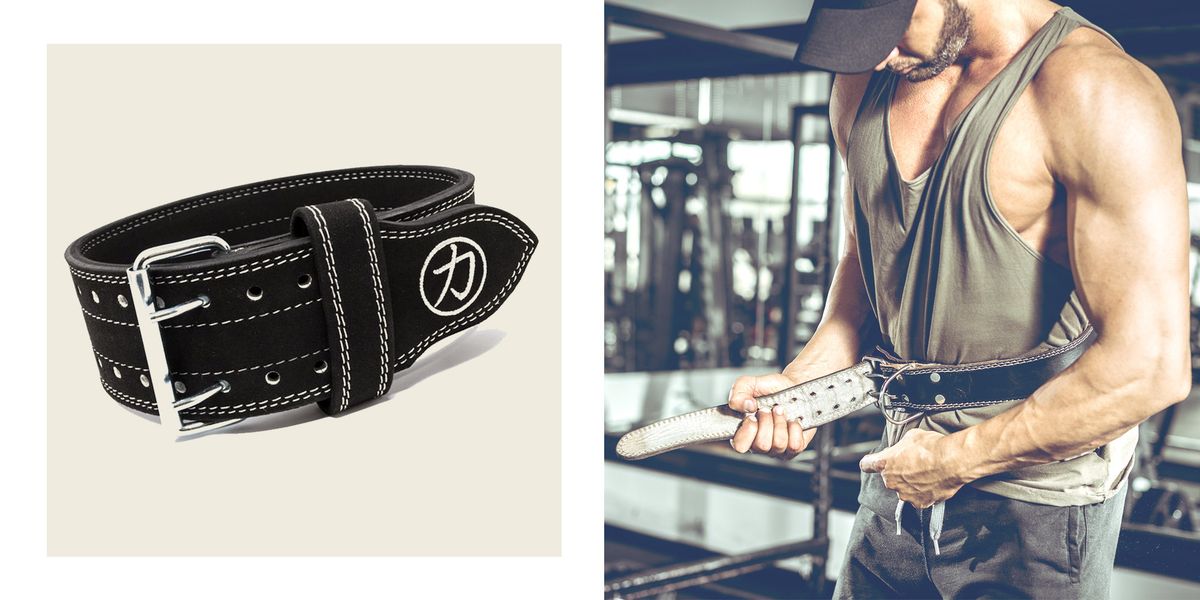
So is it worth getting a weightlifting belt. Theres a reason many a bodybuilder uses a weightlifting belt each and every workout.
Are weight lifting belts worth it. Weightlifting belts are nothing new in the fitness world but what most people dont realize is they are completely unnecessary for healthy individuals. In my experience unless you are a competitive powerlifter you probably dont need one. And if youre that guy in the weight room concerned with building huge muscles and looking good naked you definitely dont need one.
Allows You To Lift More Weight. Then of course there is the big benefit of using a weight belt. It allows you to lift more weight than you would be able to without one.
In fact on average most people are able to lift 10-15 more instantly on certain exercises just by wearing a belt and using it properly. Weight lifting belts can aggravate these issues significantly even flaring up old nagging injuries. When Weightlifting Belts Are a Great Idea.
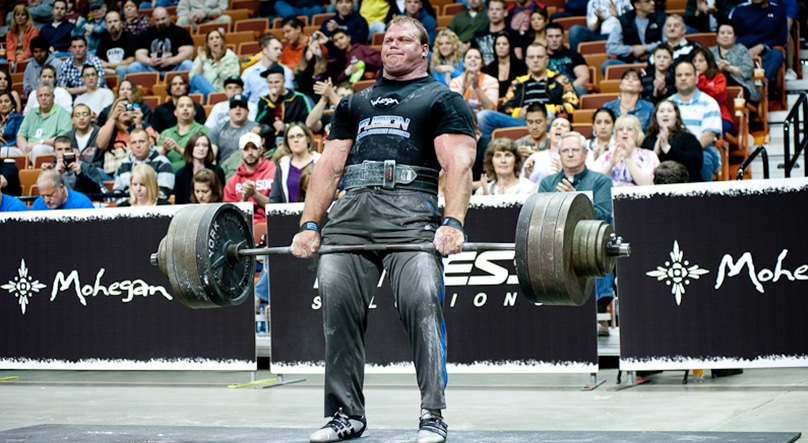
Now were getting to the good stuff. Theres a reason many a bodybuilder uses a weightlifting belt each and every workout. Because they offer huge benefit to intermediate to advanced lifters.
May help prevent injury to the low back during heavy lifts. Might inhibit motor learning in the abdominal muscles. Lower Back might not get as strong.
Should You Wear a Weightlifting Belt. All of the upsides to wearing a belt come down to the idea of intra-abdominal force or pressure. Belts are for experienced lifters and big weights.
Im absolutely an advocate for using weight belts to promote strength. Its an easy argument intra-abdominal pressure that provides spinal stability leads to greater force output. A weightlifting belt needs to support your core so placing it at the lower or higher section of the core would leave the other side vulnerable.
If you never tried belts before its worth giving. So is it worth getting a weightlifting belt. If you like to track your progress in the gym by the weight lifted then yes a belt is worth getting.
You will likely be able to lift more weight with a belt on. If your goals are NOT focused on absolute weight lifted then a belt is less essential but still a great tool for fatigue and form management. The belt will allow you to lift more weight primarily in squat and deadlift and will support you in OHP which are the only lifts you should be wearing a belt for really.
Some special situations for professional may see them using belts in other lifts such as bench press. Performance of exercises such as the squat and deadlift while wearing the weight belt resulted in greater peak and average intra-abdominal pressure3 4 and. Anybody have a favorite brandstyle of weight lifting belt they use.
Any negatives to using a lifting belt. I mean yea there a little steep on the price side but well worth it just google cardello belts and there page will come up they have a few different styles. May 22 2013.
Stable shoes and a belt aid dramatically and are absolutely worth it. 4 inch 10mm thick from Pioneer Fitness Get some weightlifting shoes with a raised heel. A lifting belt provides support around the part of your core after your ribs end.
When you fasten it on and brace against it by taking a big breath and holding it it protects all of those muscles and bones and also helps you safely lift more weight. For a belt that you can quickly put on and take off during WODs try the Everyday Velcro Lifting Belt. Because its so user-friendly you can easily fasten it for all.
Weight-lifting belts have earned their place in the lifting world and for good reason. They support your lumbar spine promote a rigid torso and can help you hit max lifts. Further lifting with a belt theoretically should decrease risk of injury in the gymalthough Im not aware of any studies looking into that directly since ethics boards arent usually too crazy about researchers intentionally herniating discs in the name of science.
At the very least it has been shown to decrease risk of reinjury in occupational settings. You can expect to pay between 15 and 100 for a weightlifting belt. You can find foam weightlifting belts for as little as 15 nylon belts from about 20 and leather belts from 20 to 50.
You can find nylon weightlifting belts that cost from 20 to 65. There are plenty of dependable leather belts available for 50 to 70. A good weight lifting belt is designed to help reduce the amount of stress placed on your lower back.
Not vegan or vegetarian friendly although this is an afterthought for some its still worth mentioning. This belt is tanned using vegetable-based products but its still made with real leather. For being the starter belt for cardillo its totally worth it.
Really comfortable and its nice to not have my hips being dug into. Really good support overall. Velcro weightlifting belts on the other hand are more flexible and comfortable.
They are easier to wear adjus and take off. They are inexpensive too as compared to their leather counterparts. But their durability is an issue.
Velcro weightlifting belts pop off under pressure which is why they are not recommended for heavy lifters. Its a beast of a belt. Considering that this is made in the same cowboy method of tanning hides and youre getting something that is ultra-durable stiff and offer heavy-duty support the belt is a great value for its price.
If youre wondering if the Rogue Ohio Lifting Belt is right for you the answer is yes and no. Although the weight lifting belt has been proven to increase the intra abdominal pressure that helps reduces the shear forces during a squat little is known about the weight lifting belts effect on the performance. Further studies on larger populations are needed to determine if it is of clinical value.
Valeo 4-Inch Weight Lifting Belts. This Valeo brand weightlifting belt is one of the best low-profile belts you can find on Amazon. Going for only 19 this belt offers the ultimate comfort and support when lifting weights.
Previous post
Belly band after weight lossNext post
Are waist trainers good for weight loss